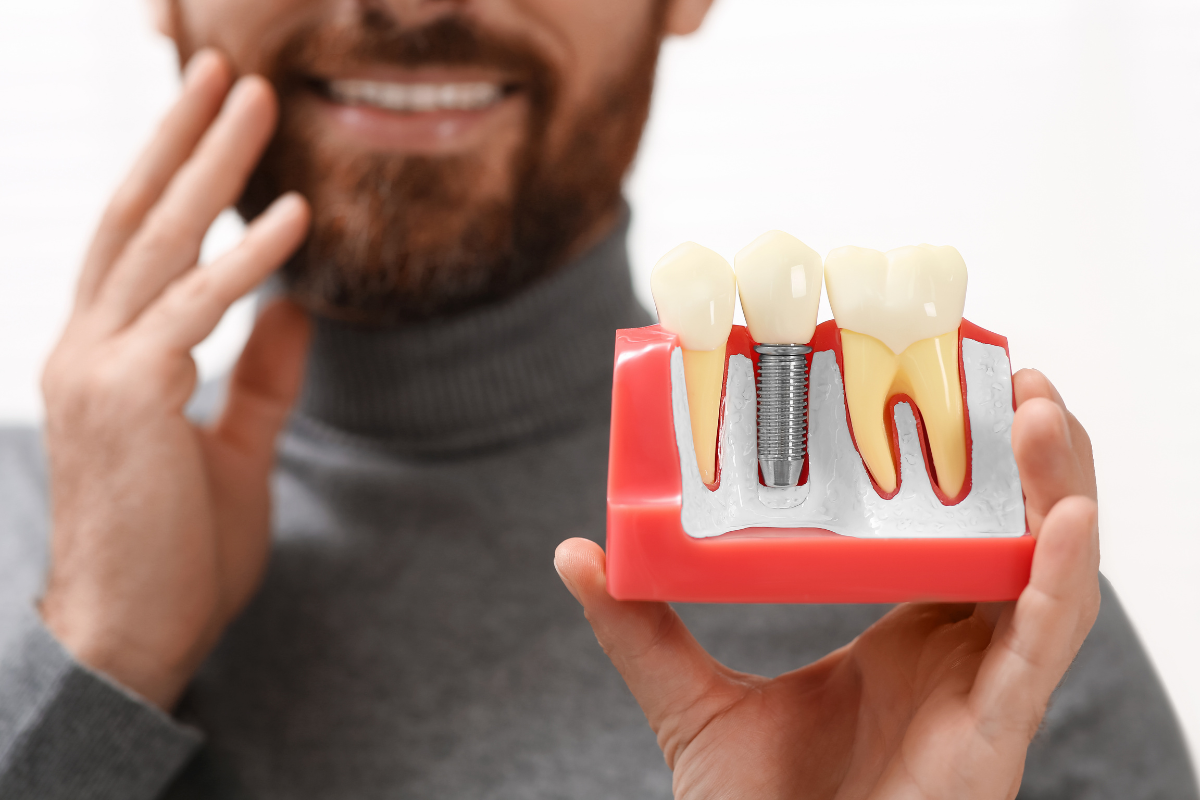
Dental implants are an excellent solution for replacing missing teeth and restoring your smile. However, to ensure their longevity and optimal function, proper maintenance is essential. If you’ve recently had dental implants Little Rock AR or are considering them, it’s necessary to understand how to care for them to ensure long-term success. This guide provides easy-to-follow tips for maintaining your new tooth and ensuring its durability over time.
Best 7 Tips For Long-Term Success Of Dental Implants
Keeping your implanted teeth in optimal condition requires ongoing care and attention. While the process is generally simple, their success depends on how well you maintain them over time. Here are the top tips for ensuring the longevity and success of your dental work:
1. Practice Excellent Oral Hygiene
Maintaining good oral hygiene is essential to the success of your restoration treatment. Just like your natural teeth, implanted teeth require regular cleaning to prevent plaque buildup, gum disease, and other oral health issues. Be sure to:
-
Brush Twice a Day: Use a
soft-bristled toothbrush and fluoride toothpaste to
clean your dental implants Little Rock. Brush around
them, ensuring the gum line and any areas where food
can get trapped are well-cleaned.
-
Floss Daily: Use special floss or
interdental brushes to clean between your implants
and surrounding teeth. This helps remove plaque and
debris that your toothbrush can’t reach.
- Mouthwash: An antimicrobial mouthwash can help reduce bacteria around your implants, supporting overall gum health.
2. Visit Your Dentist Regularly
Regular check-ups with your dentist in Little Rock and nearby areas are crucial for maintaining your treatment. During these visits, your dentist will check for any issues such as gum inflammation or bone loss around the surgical area. They will also clean the implants carefully to ensure they remain in good condition.
Make sure to schedule visits every 6–12 months for a comprehensive exam. This ensures that any potential issues are detected early and treated before they affect the success of your restoration.
3. Avoid Hard And Sticky Foods
While dental implants, Little Rock, AR, are made of sustainable materials, they are not invincible. Avoiding hard and sticky foods will help protect your implants from damage. Foods such as:
- Hard Candie
- Ice
- Caramel
- Sticky Chewing Gum
These can damage or dislodge your dental work, leading to premature failure. Opt for softer foods when possible to protect your new teeth and ensure they last for many years.
4. Protect Your Implants From Bruxism
Bruxism, or teeth grinding, is a common issue that can damage your newly placed dental implants Little Rock over time. If you grind your teeth, especially during sleep, you are unknowingly placing excessive force, which could lead to wear and even breakage.
A night guard is a highly effective solution for this issue. Wearing a custom-fitted night guard at night can protect your treatment from grinding pressure and ensure its long-term success.
5. Avoid Smoking
Smoking is one of the leading causes of implant failure. It can negatively affect the healing process after implant surgery, impair blood flow to the gums, and increase the risk of gum disease. For the success of your restorative treatment, it’s advised to avoid smoking or using nicotine products.
In The Rock, where outdoor activities are a way of life, avoiding smoking helps you breathe easier and enjoy nature without being held back by smoking-related health problems. Whether you’re hiking at Pinnacle Mountain State Park or exploring local trails, a smoke-free lifestyle ensures you can fully experience all that the area offers.
6. Maintain A Healthy Diet
Eating a well-balanced diet is essential for both your overall health and the health of your prosthetic teeth. A diet rich in fruits, vegetables, whole grains, and lean proteins supports bone and gum health, which is vital for the stability of your restoration.
-
Calcium And Vitamin D: These
nutrients are essential for maintaining strong
bones, which are crucial for the success of your
treatment. Make sure your diet includes dairy
products or plant-based alternatives to support bone
density.
- Avoid Excessive Sugar: High sugar intake contributes to plaque and gum disease, which can compromise the health of your implants.
7. Address Any Gum Issues Immediately
Healthy gums are just as important as healthy implants. Gum disease can compromise the stability of your oral prosthesis, leading to complications such as infection or bone loss. If you notice any signs of gum disease, like bleeding gums, swelling, or persistent bad breath, contact your local dentist immediately for treatment.
Ensure Your Dental Implants Last A Lifetime
The success of your permanent tooth replacement depends on proper care and maintenance. By practicing excellent oral hygiene, avoiding damaging foods, wearing a night guard for bruxism, and attending regular check-ups with your dentist, you can ensure the longevity and functionality of your dental work for a decade.
Schedule a quick consultation with a trusted dentist today to learn more about caring for your dental implants, Little Rock, AR. Whether you’re enjoying outdoor activities at Pinnacle Mountain or visiting local spots like The River Market District, your confident, beautiful smile will be with you every step of the way. Contact a local dental office to fix your missing teeth or receive guidance on maintaining them, ensuring they last a lifetime.
Frequently Asked Questions
1. How long do dental implants last?
Prosthetic teeth can last a lifetime with proper care. Usually, a crown needs to be replaced after 10-15 years, but the implant itself can remain in place with proper maintenance.
2. Are dental implants painful?
While you may experience some discomfort after the procedure, dental implants themselves are not painful. Any pain is typically temporary and managed with over-the-counter medications or prescribed pain relievers.
3. How do I know if I’m a candidate for dental implants?
Most people with good oral health and sufficient jawbone density are candidates. A dentist will evaluate your overall health, dental condition, and jaw structure to determine whether you are a suitable candidate for implants.
4. Can dental implants fail?
Yes, the treatment can fail due to factors like infection, poor oral hygiene, or inadequate bone density. Regular check-ups and proper care significantly reduce the risk of implant failure.
5. Can I eat normally with dental implants?
Yes, implanted teeth function like natural teeth, allowing you to eat almost anything. However, avoid extremely hard or sticky foods during the initial healing phase to protect your dental work.