If the thought of sitting in a dental chair makes your heart race, you are not alone. Dental anxiety affects millions of adults across the country. For many people, this fear becomes a real barrier, especially when they need more involved care like dental implants in Little Rock. The good news is that modern dentistry has changed a lot. Today, getting implants does not have to feel scary, painful, or overwhelming.
This article walks you through what dental anxiety actually is, why it matters when considering implants, and how a skilled oral surgeon can make the whole process feel manageable, even comfortable.
What Is Dental Anxiety?
Dental anxiety is more than just nerves. It is a strong feeling of worry or dread tied to dental visits. Some people feel it before their appointment. Others feel it the moment they walk into a clinic. In serious cases, it can stop someone from getting care they truly need.
Common reasons people feel anxious include:
- Fear of pain or discomfort
- Past bad experiences with dental work
- Feeling out of control in the chair
- Worry about needles or drills
- Embarrassment about the state of their teeth
When dental anxiety goes unaddressed, small problems grow into bigger ones. That is when people often end up needing treatments they put off for years, like tooth replacements or implants.
Why Dental Anxiety and Implants Often Go Hand in Hand
Many patients who need dental implants in Little Rock have been avoiding the dentist for years. Years of skipped appointments lead to tooth loss, which then requires a bigger solution. The very procedure they need feels like their biggest fear come true.
It is a hard cycle to break. But the first step is understanding that modern implant procedures are far more comfortable than most people expect. A good oral surgeon will take your anxiety seriously and work with you, not around you.
How Modern Dentistry Addresses Fear
Sedation Options Make a Real Difference
One of the biggest changes in oral surgery is the use of sedation. Patients today can choose from several comfort options depending on their level of anxiety:
- Nitrous oxide (laughing gas): You stay awake but feel relaxed and comfortable. Effects wear off quickly.
- Oral sedation: A pill taken before your appointment helps reduce anxiety significantly.
- IV sedation: Used for more complex cases. You remain in a sleep-like state throughout the procedure.
- General anesthesia: Available when needed. You are fully asleep and feel nothing.
Talking through these options with your care team before your procedure takes away much of the uncertainty that feeds anxiety.
Clearer Communication Reduces the Unknown
A lot of dental fear comes from not knowing what to expect. When a care team takes time to explain each step clearly, patients feel more in control. At Capitol Oral Surgery & Implant Center, the team walks patients through the process before anything begins. Knowing what comes next makes a huge difference.
A Calm, Welcoming Environment
Modern oral surgery offices are designed with patient comfort in mind. From the waiting area to the treatment room, small details like soft lighting, quiet spaces, and a friendly team change the emotional experience of a visit entirely.
The Implant Process: What to Actually Expect
Understanding the steps involved helps reduce fear. Here is a simple breakdown of how dental implants in Little Rock are typically placed:
- Consultation: Your surgeon reviews your health history, takes imaging, and talks through your options. No work is done at this visit.
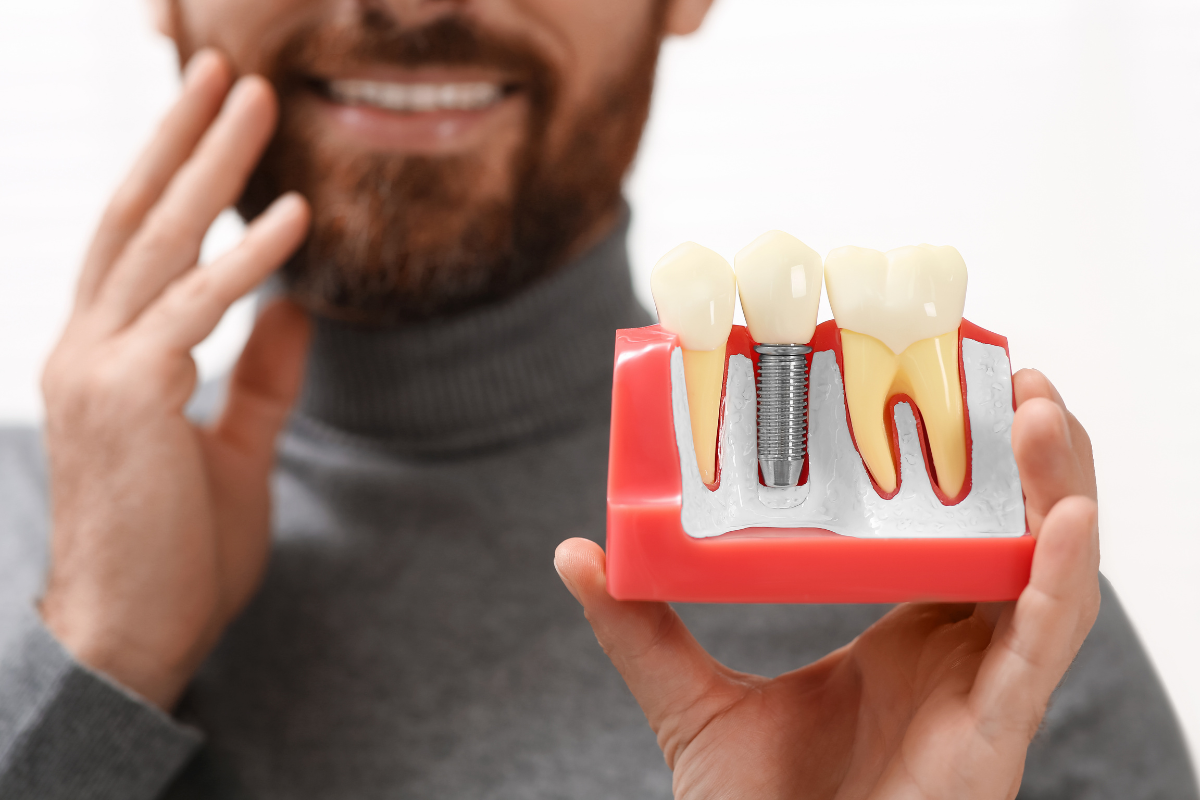
- Implant placement: A small titanium post is placed into the jawbone under local anesthesia or sedation. Most patients report minimal discomfort.
- Healing period: The implant bonds with the bone over a few months. This is a passive phase with no major discomfort.
- Crown placement: A custom tooth is attached to the implant, completing your smile.
Each step is paced at your comfort level. A trusted oral surgeon near me will never rush the process, especially for anxious patients.
Practical Tips for Managing Anxiety Before Your Visit
If you feel nervous heading into your appointment, these simple steps can help:
- Tell your care team about your anxiety early. They can prepare accordingly.
- Bring headphones and listen to music or a podcast during treatment.
- Practice slow, deep breathing before and during your visit.
- Ask for a stop signal so you always feel in control.
- Schedule your appointment at a time when you are not rushed or stressed.
Small habits like these, combined with a supportive dental team, make a big difference over time. Many patients who once feared dental visits now go in with confidence.
Why Local Care Matters for Anxious Patients
Searching for a good oral surgeon when you have dental anxiety is smart. Choosing a local provider means shorter travel, familiar surroundings, and a team you can build a real relationship with over time. That familiarity reduces anxiety on its own. When your care team knows your history and your fears, they can adjust every visit to work for you.
Local patients trust Capitol Oral Surgery & Implant Center for implant care because of how the team handles the full experience, not just the procedure itself. From the first call to the final check-up, the focus is on making patients feel safe and heard.
Overcoming the Barrier and Taking the First Step
The biggest obstacle for most anxious patients is making that first appointment. It is easy to keep pushing it back. But tooth loss has real effects on daily life, including difficulty eating, changes in speech, and loss of confidence. Dental implants in Little Rock offer a lasting, natural-feeling solution that improves quality of life in very real ways.
You deserve care that respects your comfort. Searching for an oral specialist is a practical first move, and choosing a team that understands anxiety is the second. Once you find the right fit, the process becomes far less intimidating than you imagined.
If you have been putting off implant treatment because of fear, now is the time to change that. An oral surgeon near me who specializes in anxious patients can give you back something fear has been keeping from you: a healthy, complete smile.
Take the First Step Today
Dental anxiety should not keep you from the care you need. Schedule a consultation with Capitol Oral Surgery & Implant Center and talk with our team about your concerns. We will work at your pace, in your comfort zone, every step of the way. Contact our Capitol Oral Surgery & Implant Center office today to book your visit. A healthier smile is closer than you think.
Frequently Asked Questions
1. Is the implant procedure painful?
Most patients report very little pain during the procedure itself because of local anesthesia. Mild soreness after is normal and usually managed with over-the-counter pain relief.
2. Can I request sedation if I have dental anxiety?
Yes. Sedation options are available for patients with anxiety. Your care team will discuss what works best for your situation during the consultation.
3. How long does the full implant process take?
The timeline varies by patient, but the full process from placement to final crown can take a few months. This allows proper healing between stages.
4. What if I need to stop during a procedure?
You can always ask your surgeon to pause. Many practices use a simple hand signal so patients feel in control at any point during treatment.
5. Are implants a good option for people who have avoided the dentist for years?
Yes. Implants can replace missing or damaged teeth even after a long gap in dental care. A consultation will assess your bone health and overall needs.
6. How do I know if I am a good candidate for implants?
Good candidates generally have enough healthy jawbone, good overall health, and no untreated gum disease. Your surgeon will review your imaging and health history to confirm.
7. What happens at the first consultation?
The first visit is mostly a conversation and assessment. No treatment is performed. Your surgeon will review your concerns, take any needed imaging, and walk you through your options clearly.
8. How long do dental implants last?
With proper care, implants can last many years, often a lifetime. Good oral hygiene and regular check-ups are the key factors in long-term success.